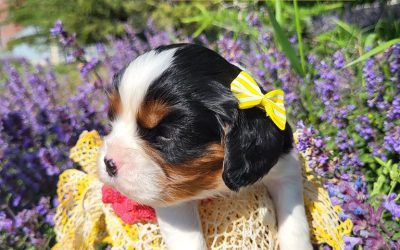
Welcoming Cavalier puppies into your home is the start of a joyful journey filled with cuddles, laughter, and lifelong companionship. At Golden Paw Cavaliers, we believe that gentle, positive training is the key to raising confident, well-mannered Cavaliers who thrive as cherished family members. Whether you’re preparing for your first puppy or looking to deepen your bond, this guide covers the essentials of teaching your Cavalier puppy with love and patience—while building a foundation for a lifetime of good behavior and happiness.
Why Cavaliers Respond Best to Positive Training
Cavalier King Charles Spaniels are known for their sweet, eager-to-please personalities. These puppies are sensitive, intuitive, and thrive on human affection. Because of their gentle nature, Cavaliers respond best to training methods rooted in kindness, encouragement, and patience. Harsh discipline or negative reinforcement can undermine trust and dampen their natural spirit.
At Golden Paw Cavaliers, we focus on positive reinforcement—rewarding desired behaviors with treats, praise, and affection. This approach not only motivates Cavalier puppies but strengthens the bond between you and your furry friend.
Preparing for Training: Setting Up for Success
Before you begin teaching your Cavalier puppy, it’s important to create the right environment for learning:
1. Puppy-Proofing:
Remove distractions and hazards from the training area. Make sure your puppy feels safe and comfortable.
2. Gather Supplies:
Stock up on high-value treats, a comfortable leash and collar or harness, and a few favorite toys. Treats should be small, soft, and easy to eat quickly.
3. Consistent Routine:
Cavalier puppies thrive on routine. Set aside regular times each day for training, play, and bonding.
4. Positive Mindset:
Approach training with patience, optimism, and a sense of fun. Remember, every puppy learns at their own pace.
The Basics: Essential Commands for Cavalier Puppies
Start with simple commands that build confidence and lay the groundwork for advanced training. Here are the most important basics:
1. Sit
Teaching your Cavalier puppy to sit is the foundation of polite behavior.
- Hold a treat above your puppy’s nose.
- Slowly move it back over their head. As your puppy follows the treat, their bottom will naturally lower to the ground.
- The moment they sit, say “Sit!” and reward with a treat and praise.
- Repeat several times, keeping sessions short and positive.
2. Come
Recall is crucial for safety and bonding.
- Get down to your puppy’s level and gently call their name.
- Use a cheerful voice and open arms.
- When your puppy approaches, reward immediately.
- Practice in a secure area and gradually increase the distance.
3. Stay
Patience and impulse control start with “Stay.”
- Ask your puppy to sit.
- Hold your hand out and say “Stay.”
- Step back one pace, then return and reward if your puppy stays.
- Gradually increase the length and distance, always ending on a positive note.
4. Leave It
Teaching “Leave It” prevents your puppy from picking up dangerous items.
- Place a treat in your closed hand and let your puppy sniff.
- Say “Leave it.” When your puppy looks away or loses interest, reward with a different treat from your other hand.
- Practice until your puppy learns to ignore the item, then try with treats on the floor.
House Training: Setting Your Cavalier Puppy Up for Success
Cavalier puppies are eager learners, but house training takes consistency and patience. Here’s how to make it easier:
- Frequent Potty Breaks: Take your puppy outside after meals, naps, and play sessions.
- Praise Success: Reward your puppy immediately after they potty outdoors.
- Supervision: Keep a close eye on your puppy indoors and use a crate or playpen when you can’t supervise.
- Routine: Feed your puppy at the same times each day to encourage predictable potty habits.
- Accidents Happen: If accidents occur, clean thoroughly and never punish your puppy. Instead, focus on reinforcing good habits.
Socialization: A Key Part of Training
Training isn’t just about commands—it’s about helping your Cavalier puppy grow into a confident, well-adjusted companion. Socialization is a critical part of early learning:
- Introduce New Experiences: Expose your puppy to different sights, sounds, surfaces, and people in a gentle, positive way.
- Play Dates: Arrange safe, supervised play sessions with other dogs and puppies.
- Visits and Outings: Take your puppy to new places—parks, pet-friendly stores, or quiet cafés—to build confidence.
- Handling and Grooming: Teach your puppy to accept gentle brushing, nail trims, and vet checks with treats and praise.
At Golden Paw Cavaliers, we start socialization early and encourage new families to continue these experiences at home.
The Importance of Patience and Consistency
Every Cavalier puppy is unique, and learning takes time. Patience is your greatest asset! Here’s how to keep training joyful:
- Short Sessions: Puppies have short attention spans. Keep training sessions brief (5-10 minutes) and always end on a positive note.
- Celebrate Progress: Reward small steps—every bit of progress is worth celebrating.
- Stay Calm: If your puppy gets distracted or frustrated, take a break and try again later.
- Consistent Cues: Use the same words, gestures, and tone for each command. Consistency helps your puppy connect actions with expectations.
Troubleshooting Common Training Challenges
Even the best-behaved Cavalier puppies can have setbacks. Here’s how to handle common challenges:
1. Distraction:
If your puppy is distracted, move to a quieter space or use higher-value treats.
2. Stubbornness:
Cavaliers may ignore commands if they’re tired, bored, or confused. Check your approach—are you clear, consistent, and positive?
3. Chewing and Nipping:
Redirect chewing onto appropriate toys. For nipping, say “Gentle” and offer a toy, rewarding calm behavior.
4. Barking:
Teach “Quiet” by rewarding your puppy when they stop barking. Avoid yelling, which can increase excitement.
Advanced Training: Building on the Basics
Once your Cavalier puppy masters basic commands, you can introduce more advanced training:
- Loose Leash Walking: Teach your puppy to walk politely on a leash, rewarding calm walking and gentle direction changes.
- Tricks and Games: Cavaliers love to learn tricks like “Shake,” “Roll Over,” or “Spin.” Use treats and praise to make learning fun.
- Obedience Classes: Puppy classes are a great way to build skills and confidence, and meet new friends.
Training With Love and Patience
Training your Cavalier puppy is about more than teaching commands—it’s about building trust, deepening your bond, and helping your puppy grow into the best version of themselves. With love, patience, and positive reinforcement, you’ll enjoy a well-mannered, joyful companion for years to come.
If you’re ready to welcome a Cavalier puppy into your home, contact Golden Paw Cavaliers to learn more about our available puppies, training tips, and lifelong support. Together, we’ll help your puppy shine—one gentle lesson at a time.